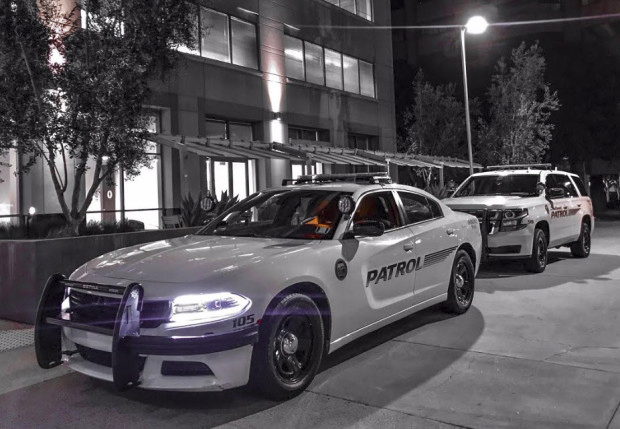


SECURITY OFFICER & THE SECURITY MANAGEMENT
The best thing to boost security is to have well trained security officers. Surveillance system will, in best case, indicate the presence of an intruder, while doors and fences will only delay the intruder. But in the end you have to send someone to intercept. If you leave out the attack dogs option and the liability it may bring, a security officer is probably the only option left. It is certainly your only response to Murphy’s law.
SELECTING A SECURITY COMPANY
One of the first tasks for a security manager is to look for a good security company. Employing your own Security officers may cause some legal and practical problems, a security officer with full arrest power is obviously most effective.
Most security companies have problems keeping qualified and honest security officers. The difference between a security company showing top performance and some less effective security company is often its staff (no formal qualification or time in the trade.)
The best way to gather information about security companies is to talk with security officers you meet in the field. Most of them have been working at several companies and they tend to know which security company is most professional and effective.
TYPES OF OFFICERS & TRAINING
Because security companies are carefully placing their best officers they tend to be more maturer and professional, the result of training and selection is imperitive to insure effective security.
Officers in Saskatchewan are required to have the Sask Justice security guard course to be qualified as a security guard. Other beneficial skills can be computer and fire/rescue skills.
An important quality factor is to have access to a local supervisor from the security company. If more than 3 security officers hired the security company should afford to appoint one of the officers to (site) supervisor.
If you have a large area or some other factors making your area hard to secure you should consider a K9 unit or some form of mobile transportation. K9 units are most cost-effective in a large high security buildings or complex where you want to be absolutely sure that there are nobody left.
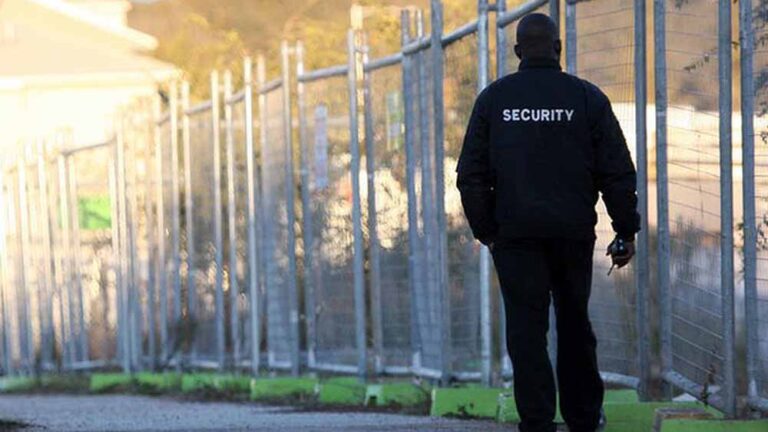
Most security companies have selection processes. There are probably also laws and agencies doing some of the selections for you.
The smallest number of security officer available should not be less than 2 if you want the officer to work effectively and in a safe manner. Fairly large facilities require a team of Security officers. Handling the surveillance system and in the same time manning the gates as well as patrolling perimeters and buildings will require the combine work of a group of security officers.
During nighttime it’s often good use of resources to focus on the gates and perimeters. During daytime a different approach should be implemented. Patrols should be focusing on areas where entrepreneurs and visitors have access (or should not have access).
VISITORS
Visitors are received by Security officers at the frontdesk and are ID checked and issued a temporary badge or visitors card. The host is notified and collects the visitor at the frontdesk. Visitors are escorted back to the frontdesk after the visit. This is not only good security but polite as well. If staffs are required to collect visitors you neutralize the oldest con-trick in the world. Calling the security officer and telling him “Hi!!, it’s Me… just let Mr. X in, he is trusted”. The visitor should preferably produce an ID or any other verification (letter of invitation). A log is kept with detail information. The log file is important in case of fire or other security related problems.
SERVICE
It’s important that the security manager keeps a clear line for all parties involved. If his leadership becomes vague, secondary service works will start to play an increasingly important role and push the focus on the security at side.
It will change some security officer’s attitude from Guarding to Service which mean that they under-perform in their professional roles. It’s very likely that when the security finally fails the officers and the security managers will be blamed for focusing too much on service. And as security officers is selected for their guard instincts they probably give lousy service to.
ENTREPRENEURS & DELIVERY
It’s important that the security manager keeps a clear line for all parties involved. If his leadership becomes vague, secondary service works will start to play an increasingly important role and push the focus on the security at side.
It will change some security officer’s attitude from Guarding to Service which mean that they under-perform in their professional roles. It’s very likely that when the security finally fails the officers and the security managers will be blamed for focusing too much on service. And as security officers is selected for their guard instincts they probably give lousy service to.
SECURITY PATROLS & CHECK-INS 24/7
Patrolling and special security checks is an important work although is not glamorous. One of the most critical aspects of patrolling and doing security checks is the safety of the security officers or “force protection” as the army put it. Beside the fact that there humans there are one of the most valuable resources at your inventory and most likely to be on the target list for anyone seriously trying something very stupid.
In some areas patrolling of perimeters should be done by two security officers. Meanwhile an ordinary night-patrol inside a building is often carried out by a single security officer. The standard procedure to respond to different types of alarms or indications from surveillance systems is to send two security officers.
THE FIRST NIGHT PATROL (A-patrol) : It’s done some few hours after the main working hours and the objective is to firmly secure the building for the rest of the night. All rooms, kitchens, WC, rest rooms and office space should be carefully checked along with doors, safes and windows.
All points mentioned under each paragraph are carefully checked. Staff and entrepreneurs left in the building is ID checked. This types of patrol is very time consuming but effective.
These kind of detailed security checks are important on new sites where the security level and security instruction is not yet 100 % established. A patrolling security officer may react on things that are not yet covered in the security instructions.
The security patrol/checks starts with:
- Look in the visitors and entrepreneurs log, are any left in the building?, Staff not checked out ??
- Are they any works done during the days that require extra attention during the night patrol (fire safety).
- Any cars left in the carpark?? (a visit to neighbor parkings is advisable).
- Inspection of fence and perimeters.
- Inspections around the buildings are made. Marks on “low” windows and doors that may have been made in a break in attempt are carefully documented (preferably by camera).
- Before entering the building a swift look for lights in the windows will tell the security officer where the still is activities.
- The best way to start is to work down from the top. The officer should avoid using elevators if possible. During the patrol lights is turned off, toilets checked as well as other points under “Security Officers responsibilities”/checkpoints.
Doors or access ways to such areas as boiler rooms, mail rooms, computer areas, switchboards, maintenance and elevator control rooms should remain locked when not in use.
SECOND NIGHT PATROL (B-patrol): If nothing have happens since the last first patrol it is advisable to have on brief patrol covering approx. the same area as the first one. The second patrol briefer and is done on less half the time at the first one. The security officer is passing through the rooms without visiting every desk or safe.
RANDOM PATROLS (C-patrol): During the night, checks should be made at important point like network server installations, car park, fences. This brings an element of uncertainty (and hopefully surprise) to any one trying to figure out the security officers patrol schedule.
CONTACT
If contact is made with suspects it’s very likely that a lonely security officer will bring in back-up (law enforcement’s or colleagues) before he act. He will direct the back-up to a rendezvous.
It’s very possible that a long series of problems occurs if situations like this are not well prepared and support by instruction. How can and should police patrols and fellow security officers gain access to the building ?? How to avoid friendly fire?? Should the buildings be lighted up?? etc. etc.
I believe that co-ordination is a keyword. Instruction must be written on a case by case basis. If a C4 is available from where doors can be remotely open and closed and monitored this will solve many problems. Especially if law enforcement need to have access to doors and fences. The C4 makes it unnecessary for police officers and fellow security officers to collect keys and access cards.
Security managers and press information officers should be informed on a routine basis. It’s important that the local press is informed in a correct way and that no classified security information is handled out by mistake.
EQUIPMENT
In some environment the security officer may need special equipment like hard-hats, special protective shoes or other protective clothing, especially at construction sites. Special flashlights and radios may be required for some types of production facilities.
The security officer can be equipped with a palmtop computer or some other electronic report system with a (barcode) reader generating a patrol log. The system document tasks and events. If he find a removable hard disk still in the PC he read the bar code both on the harddisk as well as on the PC and the office door.
This generates a full report complete with time, action and the security officers ID as well as other actions taken. Except finding out which poor slope that forgot his harddisk in the PC. Security Manager could during follow-ups also see which kind of information that was stored on the harddisk and if the harddisk was in the right place.
A digital camera should be available for patrol officers at gates and frontdesks. A picture says more than 1000 words and documenting events and individuals behaving in a suspicious manner is highly recommendable.
A digital camera is very useful when documenting damages on doors and windows, the insurance company may require pictures as evidence. A camera is also useful when documenting suspect cars or individuals as it is hard to accurately describe faces or vehicles.
A tape recorder or digital dictator in a beltclip is an excellent way to document confrontation with violent or unruly individuals. This will often restrain the officer from using ugly word but in the same time showing the unruly behavior of the suspect.
HINTS & TRICKS
The security managers should work nighttime at least one time every month and follow security officers during their night patrols and security checks. Sometimes he should be present at the frontdesk during rush hours to be able to identify the problems and individuals not co-operating with the security officers.
Every report from security officers should be answered and have a follow up and made available for fellow security officers. He should write instructions guiding security officers in their daily work and clearly take responsibility for security related problems in written instructions.
As the representative for the company the security managers will have a unique opportunity to improve the security officers working conditions. Good condition will result in a small circulation of security officers and a high quality on the work. Hard conditions and poor leadership will result in security officers disappearing to other jobs resulting in situation with constant number of rookies trying to learn the job from another rookie.
A Security Manager should not hide behind his Security Officers. The Security Manager is the point man carrying the full responsibility for the rules implemented. A Security manager can’t blame an officer for being inflexible unless he have transferred the right to the Security Officer to alter the rules and make exceptions from the codes.
WHY HIRE A PRIVATE INVESTIGATOR?
Searching for a loved one? Looking for an old friend? Saskatoon Private Investigations Inc. can accomplish this and more. Using information you provide, a private investigator can locate names, addresses, and telephone numbers, providing you with all the pertinent information you need to find that special someone.
Are you having domestic problems of different kind? Have you been suspicious of your spouse’s late night activities? The investigators employed by Saskatoon Private Investigations Inc. are specially trained in surveillance techniques and can give you accurate and specific details of all your spouse’s activities. Still photos, audio and video recordings, and a written report will all be provided, depending on your preference.
A pre-employment investigation can give you the edge while hiring employees. By investigating potential employees, you can verify if an individual has provided accurate credentials on their resume. A background search can also determine if a potential employee has the required training and experience in the required fields, to reduce the cost of employee training if the individual in question is hired.
Hiring Saskatoon Private Investigations Inc. to conduct an investigation of this type can also reveal undesirable information about the potential employee, such as a bad driving record or any criminal history. This can reduce the chances of hiring an individual who may drive up the cost of insurance with their bad driving habits, or cost the company funds by stealing.
It is required by most provinces that employers show clear and just cause for dismissing an employee. By documenting any improper employee behaviour, you can reduce, or even eliminate the possibility of a wrongful dismissal lawsuit after dismissing an employee